
Revolutionary Light-Activated Cancer Therapy Targets Tumors While Preserving Healthy Cells
Researchers harness LED technology and nanomaterials to develop a precise cancer treatment that destroys tumors with heat, leaving healthy tissue unharmed.
Explore advancements in health tech, medical research, and the innovations enhancing global healthcare.
Researchers harness LED technology and nanomaterials to develop a precise cancer treatment that destroys tumors with heat, leaving healthy tissue unharmed.

Stanford-led research uncovers that gas-powered home appliances can release dangerous benzene levels, surpassing those from secondhand smoke and raising cancer risks.

Discover how cutting-edge nanobot technology is transforming cancer diagnosis and treatment, paving the way for more precise and effective therapies.
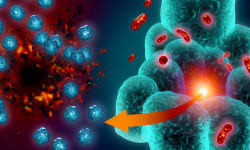
Researchers have identified and removed a sugary barrier that allows bowel cancer to evade immune detection, paving the way for new immunotherapy treatments.

A revolutionary electronic retinal implant enables individuals with age-related macular degeneration to regain partial vision, offering new hope for the blind.

Discover how the Jabra Enhance Select 700 hearing aids surpass their predecessor with innovative SoundScape Auto Focus technology and improved performance.

Researchers have identified 134 new gut viruses, creating the first living model of the human gut virome—an advancement that could revolutionize medicine and our understanding of gut health.

Innovative gene-editing techniques are overcoming barriers to fix mitochondrial DNA, offering hope for treating deadly mitochondrial diseases.

Discover insights from Dr. Ahvie Herskowitz on the underlying causes of chronic diseases and strategies for prevention, based on the latest longevity research.

New research uncovers how amyloid beta, a protein linked to Alzheimer’s, enhances T-cell energy and could revolutionize cancer treatment by empowering the immune system.

AstraZeneca secures exclusive rights to Algen's AI-driven gene-editing platform, AlgenBrain, aiming to develop breakthrough immune therapies in a $555M collaboration.

Microsoft researchers uncover a biological zero-day threat and develop a software patch to prevent the creation of hazardous DNA sequences.

Discover how to measure heart rate using WiFi signal fluctuations with the innovative DIY Pulse-Fi method, inspired by recent research breakthroughs.

Scientists reveal vitamin B3 (niacin) can suppress microRNA-93, a key genetic factor in fatty liver disease, offering a safe and cost-effective treatment option for millions affected worldwide.

Educators nationwide grapple with the rise of AI-driven cheating as traditional assignments like essays and book reports become outdated.