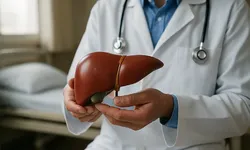
For decades, the bargain at the heart of organ transplantation has been clear. A donated organ can replace a failing one, but the recipient typically commits to lifelong immunosuppressive drugs to prevent rejection. Those medications work, yet they also reshape daily life-raising infection risk, increasing the odds of certain cancers, and contributing to problems such as kidney damage, diabetes, and high blood pressure.
A small clinical trial in liver transplant recipients now suggests that, for some patients, that bargain might not always be permanent. After receiving an experimental therapy, several participants were able to stop standard anti-rejection drugs and remain off them for at least three years, according to the report.
The result is early and limited, but it lands on one of transplant medicine's most stubborn goals: "tolerance," the state in which a recipient's immune system accepts a transplanted organ without ongoing suppression. If researchers can reliably induce tolerance, the impact would extend far beyond convenience. It would change long-term outcomes, costs, and the way transplant programs manage risk.
Why anti-rejection drugs are still the default
The immune system is built to detect and destroy foreign tissue. A transplanted organ carries proteins-especially those tied to human leukocyte antigens (HLA)-that can look like an invader to the recipient's T cells and antibodies. Without intervention, the immune response can damage blood vessels and organ tissue, leading to acute rejection in days to weeks, or chronic rejection that slowly degrades function over years.
Modern immunosuppression keeps that response in check using combinations of drugs that target different immune pathways. Calcineurin inhibitors, antimetabolites, and steroids are common components. The approach has made transplantation far more successful than it was in earlier eras, but it comes with trade-offs that accumulate over time.
Suppressing immunity broadly makes it harder to fight infections and can blunt responses to vaccines. Some drugs can be toxic to the kidneys, a major concern for patients who may already be medically fragile. Long-term immunosuppression is also associated with higher rates of certain malignancies. For many recipients, the medications are manageable; for others, they are a constant balancing act.
The promise-and difficulty-of immune tolerance
Tolerance is not a new idea in transplantation. Researchers have pursued it for years using strategies that attempt to retrain the immune system rather than simply suppress it. The challenge is that the immune system's memory is powerful. Once it learns to recognize donor tissue as foreign, it can mount rapid responses that are hard to turn off.
One broad class of tolerance strategies aims to create a kind of immune "truce" by introducing donor-derived immune cells or stem cells so the recipient's immune system becomes accustomed to donor antigens. Another approach focuses on expanding regulatory T cells-immune cells that act as brakes on inflammation and can dampen rejection responses. Some experimental regimens combine these ideas with carefully timed, temporary immunosuppression.
The risk is that pushing the immune system too far can backfire. Over-suppression can lead to serious infections. Immune manipulation can also trigger graft-versus-host disease if donor immune cells attack the recipient's tissues. That's why tolerance research tends to move cautiously, starting with small trials in carefully selected patients.
What makes the liver a special test case
Liver transplantation occupies a unique place in the transplant world. Compared with organs like the kidney, heart, or lung, the liver is sometimes described as more "tolerogenic," meaning it may be more likely to be accepted by the immune system under certain conditions. Clinicians have long observed that a subset of liver transplant recipients can eventually reduce immunosuppression substantially, and a smaller subset may be able to stop it entirely under close supervision.
That doesn't mean liver transplants are easy. Rejection still happens, and immunosuppression remains standard of care. But the liver's immunology-its constant exposure to antigens from the gut and its specialized immune environment-makes it a logical place to test tolerance-inducing therapies.
A successful strategy in liver recipients would not automatically translate to other organs. Still, it can provide proof of concept and help researchers refine the tools and biomarkers needed to predict who can safely taper off drugs.
Inside the experimental approach
The newly reported trial is small, and that matters. Early-stage studies are designed to explore feasibility and safety signals, not to settle questions about how well a therapy works across broad populations. Even so, the headline outcome-several recipients remaining off anti-rejection drugs for at least three years-stands out because durable drug-free tolerance has been difficult to achieve reliably.
The experimental therapy, as described, was used alongside the transplant process with the goal of reducing or eliminating the need for ongoing immunosuppression. While the report does not transform clinical practice on its own, it adds to a growing body of work suggesting that immune reprogramming may be possible in select settings.
What clinicians will want to know next is not just whether patients can stop medication, but how stable the graft remains over time. Rejection can be silent at first, detectable only through lab tests, imaging, or biopsy. Long-term follow-up is essential, because chronic immune injury can take years to reveal itself.
The hidden work: monitoring and biomarkers
If transplant medicine ever moves toward routine immunosuppression withdrawal, monitoring will become even more central than it is today. Clinicians will need reliable ways to distinguish patients who are truly tolerant from those who are merely stable-until they aren't.
That is where biomarkers come in. Researchers have been searching for immune signatures that correlate with tolerance: patterns in gene expression, immune cell populations, antibody profiles, and other measurable signals. The goal is a test-or a panel of tests-that can guide decisions about tapering drugs and flag early warning signs before irreversible damage occurs.
In practice, a tolerance pathway could look less like a single breakthrough drug and more like a protocol: a defined therapy around the time of transplant, a structured tapering schedule, and a monitoring regimen that includes frequent labs and possibly periodic biopsies. That kind of system is harder to scale than a pill, but it may be what the biology demands.
Who benefits, and who might not
Even if tolerance can be induced, it may not be appropriate for every transplant recipient. Patients differ in immune risk based on factors such as prior sensitization to donor antigens, history of rejection, coexisting infections, and the specifics of donor-recipient matching. Some recipients may require ongoing immunosuppression no matter what, because the risk of rejection is too high.
There is also the question of timing. A therapy that works best when delivered around the time of transplant may not help the millions of people already living with transplanted organs. Conversely, if researchers can develop protocols that safely retrain the immune system years after surgery, the addressable population expands dramatically-but the immune system's memory may make that harder.
For patients, the appeal is obvious: fewer medications, fewer side effects, and potentially fewer long-term complications. For clinicians, the appeal is paired with caution. A stable transplant is precious, and the consequences of a failed withdrawal attempt can be severe.
Industry implications: from drug dependence to protocol medicine
Transplantation has long been intertwined with the immunosuppressive drug market. Any credible path to reducing lifelong use would ripple through pharmaceutical strategy, reimbursement, and hospital operations. But it would not necessarily mean "no drugs." Many tolerance approaches still rely on temporary immunosuppression, and some patients may need low-dose maintenance even if they can avoid the most toxic regimens.
A shift toward tolerance could also elevate new product categories. Cell therapies, immune-modulating biologics, and advanced diagnostics could become central. That would pull transplantation closer to the broader movement in medicine toward personalized treatment plans guided by immune profiling.
Hospitals and transplant centers would face practical questions, too. Protocol-based care can be resource-intensive, requiring specialized labs, coordination, and long-term follow-up. Centers with strong research infrastructure may adopt such approaches earlier, potentially widening gaps in access unless the protocols become simpler and more standardized.
What needs to happen next
The immediate next step for findings like these is replication and expansion. Larger trials can test whether the results hold across more diverse patients and clinical settings. They can also clarify safety: how often rejection occurs during tapering, how reversible it is, and what the long-term graft health looks like.
Researchers will also need to refine patient selection. If only a subset can achieve durable drug-free tolerance, identifying that subset early becomes as important as the therapy itself. That is where biomarkers, immune history, and clinical characteristics intersect.
For now, the standard advice for transplant recipients does not change: immunosuppressive medications should not be reduced or stopped outside a structured clinical program. The trial's value lies elsewhere. It provides another data point that the immune system's relationship with a transplanted organ may be more negotiable than once assumed-at least for some liver recipients, under carefully controlled conditions.


